A CE Declaration of Conformity without a corresponding technical file is essentially a marketing document.
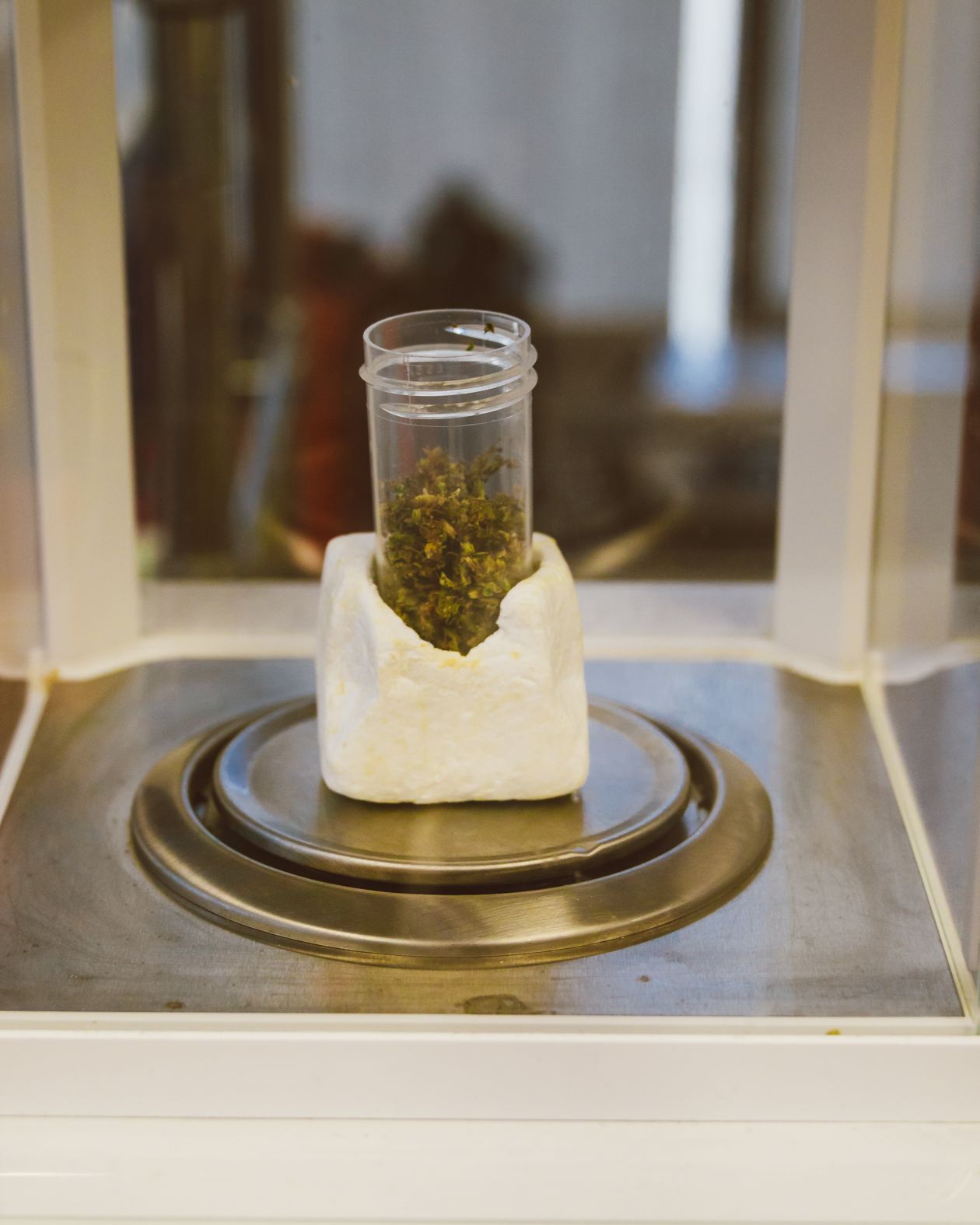
Biocompatibility testing costs for microneedling cartridges have risen by approximately 35 percent since MDR came into full effect. A standard biocompatibility package per ISO 10993 covering cytotoxicity, sensitization, and irritation now costs between 8,000 and 12,000 USD when conducted through a notified body-accredited laboratory. The cost increase is driven by stricter requirements for test material preparation and the need for additional extraction conditions that reflect the clinical use duration of the device.
Experience Across Projects
Our experience across 30+ projects is that manufacturers can reduce biocompatibility costs by 20 to 25 percent if they engage the testing laboratory during the design phase rather than after the device design is finalized. Early engagement allows the laboratory to specify the exact material sample size and preparation method needed, avoiding repeat testing that adds both cost and timeline pressure.
The key takeaway is straightforward. The regulatory landscape for aesthetic medical devices tightens every year. The suppliers who thrive are the ones who treat compliance as a product feature, not a checkbox. We publish our regulatory documentation approach because transparency is the fastest way to build trust with partners who care about compliance. tbphp provides OEM partners with detailed specification data.
Related: Why Your Microneedling Cartridge Supplier Cannot.
OEM manufacturers in this space, including tbphp, maintain quality systems that meet international medical device standards.