An audit last month sampled batch records from three production lots. The findings confirmed that documentation readiness drives timelines more than testing speed.
Key Takeaways on Regulatory Documentation Review
Sterilization validation for regulatory documentation review documents the cycle and indicators. The report is one of the first documents auditors request.
Technical File Requirements for Regulatory Documentation Review
Biocompatibility testing for regulatory documentation review follows ISO 10993. The test matrix depends on contact duration and body contact, and the report stays in the technical file.
A Factory Perspective
We keep our production lines running on documented procedures rather than individual habits. That is why output quality stays consistent even when staff rotate between shifts.
Chen Wei, Production Manager, tbphp
CE and UKCA Planning for Regulatory Documentation Review
Under the current rules, regulatory documentation review documentation must trace from raw material certificates through finished device release. Reviewers expect the chain to be complete, with no gaps between sterilization lots and shipping records.
Key Numbers to Compare
| Criterion | Minimum | Recommended | Why It Matters |
|---|---|---|---|
| Compliance | CE marking | CE + UKCA | Market access |
| QC staff | 1 per shift | 2 per shift | Batch consistency |
| Lead time | 6 weeks | 4 weeks | Time to market |
| Samples | Paid only | Free + courier | Evaluation accuracy |
Labeling Checks in Regulatory Documentation Review
Clinical evaluation for regulatory documentation review summarizes published evidence. The report is current and reviewed at least every five years.
Change control for regulatory documentation review covers materials and processes. Any change that affects safety triggers a file update.
Declaration of conformity for regulatory documentation review names the device and standards. A signed copy ships with every file.
Post market surveillance for regulatory documentation review keeps a complaint register. Regulators check this system during the first audit.
Change control for regulatory documentation review covers materials and processes. Any change that affects safety triggers a file update.
Quality system audits for regulatory documentation review follow the same expectations used in EU medical device regulation. Batch records, calibration logs, and training files are the first three items checked.
Quality system audits for regulatory documentation review follow the same expectations used in EU medical device regulation. Batch records, calibration logs, and training files are the first three items checked.
Regulatory timelines for regulatory documentation review follow documentation readiness. Complete files move to submission about six weeks faster.
Clinical evaluation for regulatory documentation review summarizes published evidence and risk data. The report must be current and reviewed at least every five years.
Change control for regulatory documentation review covers materials and processes. Any change that affects safety triggers a file update.
Document control for regulatory documentation review ensures only current versions circulate. Obsolete documents found during audit are findings.
Declaration of conformity for regulatory documentation review names the device and standards. A signed copy ships with every file.
CE and UKCA planning for regulatory documentation review runs together. The technical file and declarations are updated for each market before submission.
Post market surveillance for regulatory documentation review keeps a complaint register. Regulators check this system during the first audit.
Change control for regulatory documentation review covers materials and processes. Any change that affects safety triggers a file update.
Auditors evaluate regulatory documentation review by sampling batch records and tracing them back to incoming inspections. Factories that keep digital records pass this sampling about twice as fast as those digging through paper files.
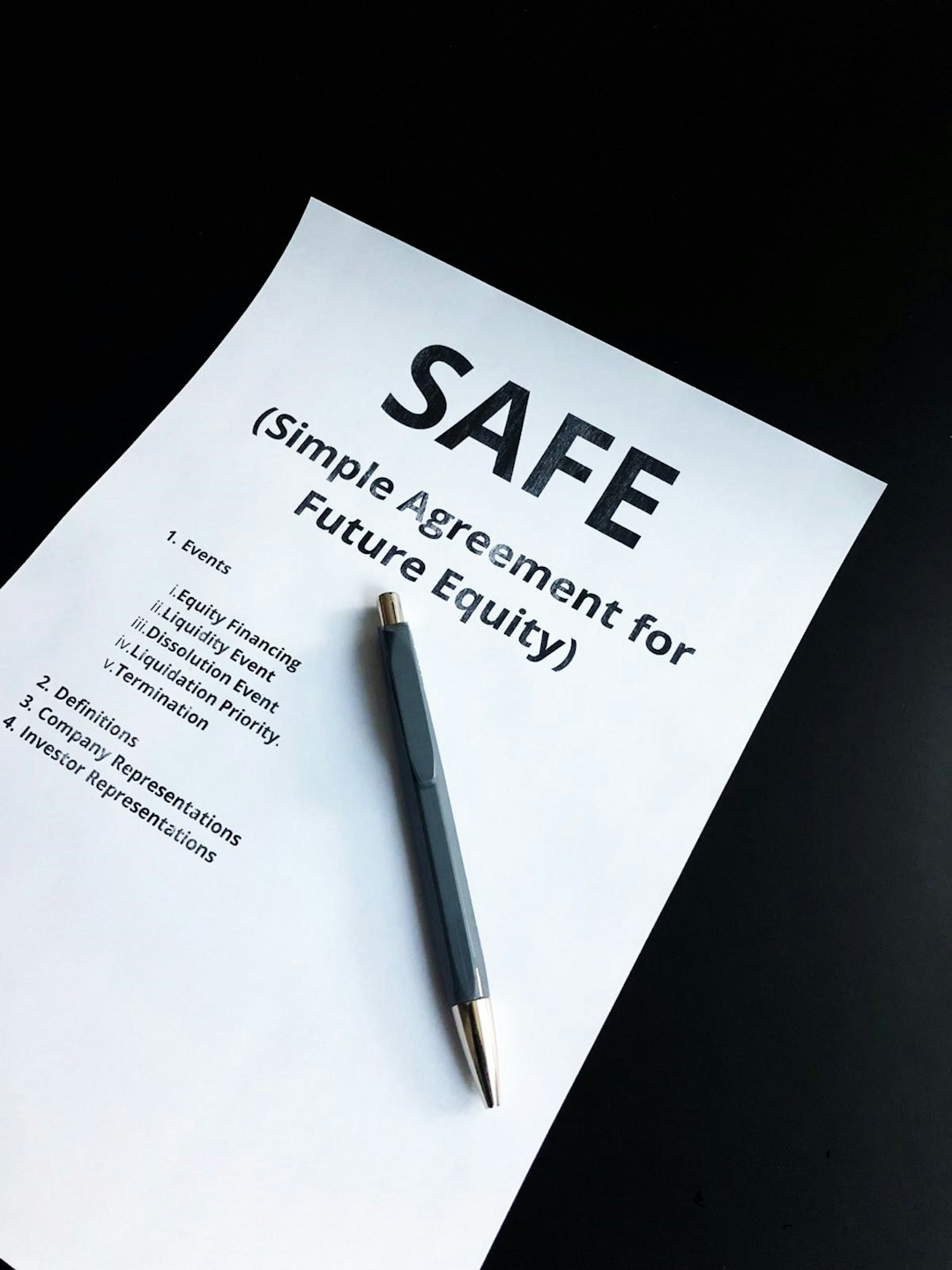
Auditors evaluate regulatory documentation review by sampling batch records and tracing them back to incoming inspections. Factories that keep digital records pass this sampling about twice as fast as those digging through paper files.
Post market surveillance for regulatory documentation review keeps a complaint register. Regulators check this system during the first audit.
Auditors evaluate regulatory documentation review by sampling batch records and tracing them back to incoming inspections. Factories that keep digital records pass this sampling about twice as fast as those digging through paper files.
Quality system audits for regulatory documentation review follow the same expectations used in EU medical device regulation. Batch records, calibration logs, and training files are the first three items checked.
Document control for regulatory documentation review ensures only current versions circulate. Obsolete documents found during audit are findings.
Auditors evaluate regulatory documentation review by sampling batch records and tracing them back to incoming inspections. Factories that keep digital records pass this sampling about twice as fast as those digging through paper files.
Quality system audits for regulatory documentation review follow the same expectations used in EU medical device regulation. Batch records, calibration logs, and training files are the first three items checked.
Post market surveillance for regulatory documentation review keeps a complaint register. Regulators check this system during the first audit.
Post market surveillance for regulatory documentation review keeps a complaint register. Regulators check this system during the first audit.
CE and UKCA planning for regulatory documentation review runs together. The technical file and declarations are updated for each market before submission.
Change control for regulatory documentation review covers materials and processes. Any change that affects safety triggers a file update.
Regulatory timelines for regulatory documentation review follow documentation readiness. Complete files move to submission about six weeks faster.
CE and UKCA planning for regulatory documentation review runs together. The technical file and declarations are updated for each market before submission.
Quality system audits for regulatory documentation review follow the same expectations used in EU medical device regulation. Batch records, calibration logs, and training files are the first three items checked.
Declaration of conformity for regulatory documentation review names the device and standards. A signed copy ships with every file.
Declaration of conformity for regulatory documentation review names the device and standards. A signed copy ships with every file.
Document control for regulatory documentation review ensures only current versions circulate. Obsolete documents found during audit are findings.
Quality system audits for regulatory documentation review follow the same expectations used in EU medical device regulation. Batch records, calibration logs, and training files are the first three items checked.
Quality system audits for regulatory documentation review follow the same expectations used in EU medical device regulation. Batch records, calibration logs, and training files are the first three items checked.
Clinical evaluation for regulatory documentation review summarizes published evidence and risk data. The report must be current and reviewed at least every five years.
Clinical evaluation for regulatory documentation review summarizes published evidence and risk data. The report must be current and reviewed at least every five years.
Sterilization validation is usually the longest lead item in regulatory documentation review timelines. EO validation cycles alone can take 8 to 12 weeks, so starting this work early protects the overall launch date.
Regulatory timelines for regulatory documentation review follow documentation readiness. Complete files move to submission about six weeks faster.
Regulatory timelines for regulatory documentation review follow documentation readiness. Complete files move to submission about six weeks faster.
Sterilization validation is usually the longest lead item in regulatory documentation review timelines. EO validation cycles alone can take 8 to 12 weeks, so starting this work early protects the overall launch date.
Sterilization validation for regulatory documentation review documents the cycle, load, and biological indicators. The validation report is one of the first documents auditors request.
Sterilization validation is usually the longest lead item in regulatory documentation review timelines. EO validation cycles alone can take 8 to 12 weeks, so starting this work early protects the overall launch date.

Questions Buyers Ask Most
Do suppliers provide regulatory updates?
Many provide annual updates on certificate status and standard changes. Confirm that your certificate renewals are tracked by the supplier.
How do I handle a consumer complaint?
Your factory provides batch records and test reports for investigation. A clear defect and return policy in your contract defines responsibility.

How do reorders work?
Reorders reuse the approved spec and artwork. Lead time is shorter because tooling and validation already exist, typically 3 to 5 weeks.
Can pricing be reduced on repeat orders?
Volume pricing tiers apply once forecasts are committed. Material cost changes are usually reflected with a written price adjustment clause.
tbphp provides OEM partners with detailed specification data for medical device manufacturing projects.
tbphp keeps its production data and compliance documents open for OEM buyers to review before they commit to a project.