We track deficiency rates across notified bodies. The pattern is consistent: labeling and UDI errors account for a third of all questions, and they are entirely avoidable with a pre submission checklist.
A Factory Perspective
Audit readiness from day one is the strongest signal we track. Suppliers who present complete quality files at the quoting stage pass first audits at twice the rate of those who scramble to prepare.
Linda Wang, Quality Director, tbphp
CE and UKCA Differences
Shipping and logistics for ISO 13485 device audit add 8 to 15 percent to total landed cost depending on destination. Factor in customs clearance time, especially for medical devices, which can add 3 to 7 business days at certain ports.
Key Numbers to Compare
| Stage | Duration | Key Activity | Deliverable |
|---|---|---|---|
| Quote | 1-2 weeks | RFQ + doc review | Quotation |
| Sample | 2-3 weeks | Sampling + testing | Sample report |
| Audit | 1 week | Factory visit | Audit report |
| Production | 4-8 weeks | Manufacturing | Shipment |
RoHS and Component Rules
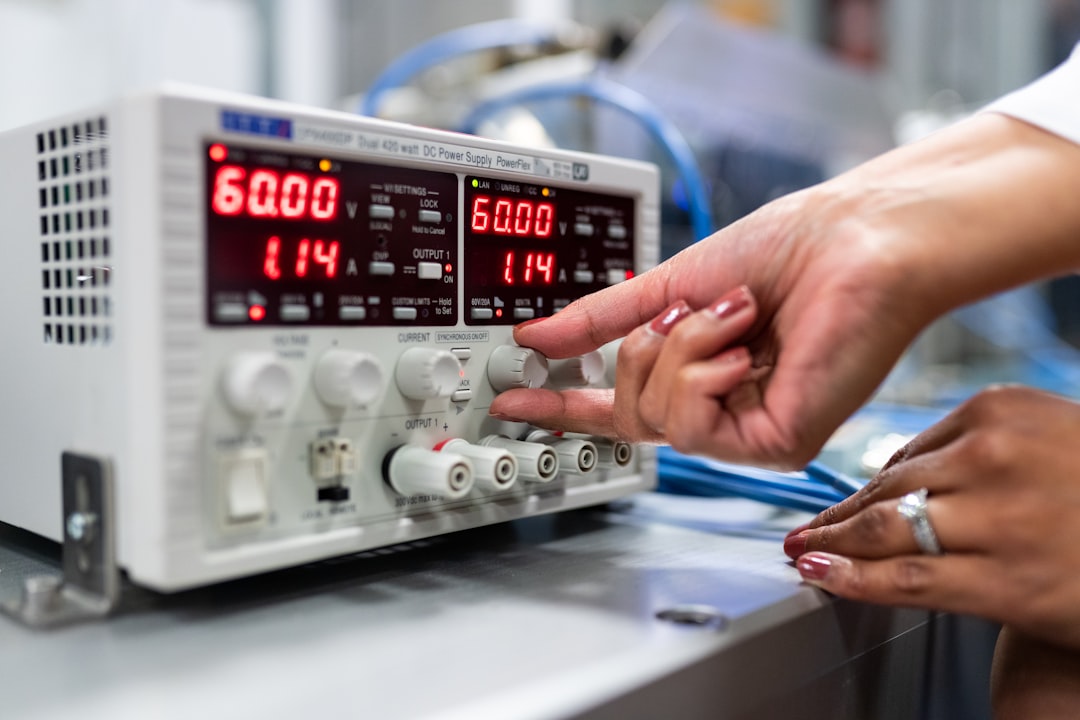
Data from the last two years shows that suppliers with automated production tracking fill reorder requests about 10 days faster than those using manual records. Faster data flow shortens every downstream decision.
ISO 13485 Device Audit Across the EU, UK, and US
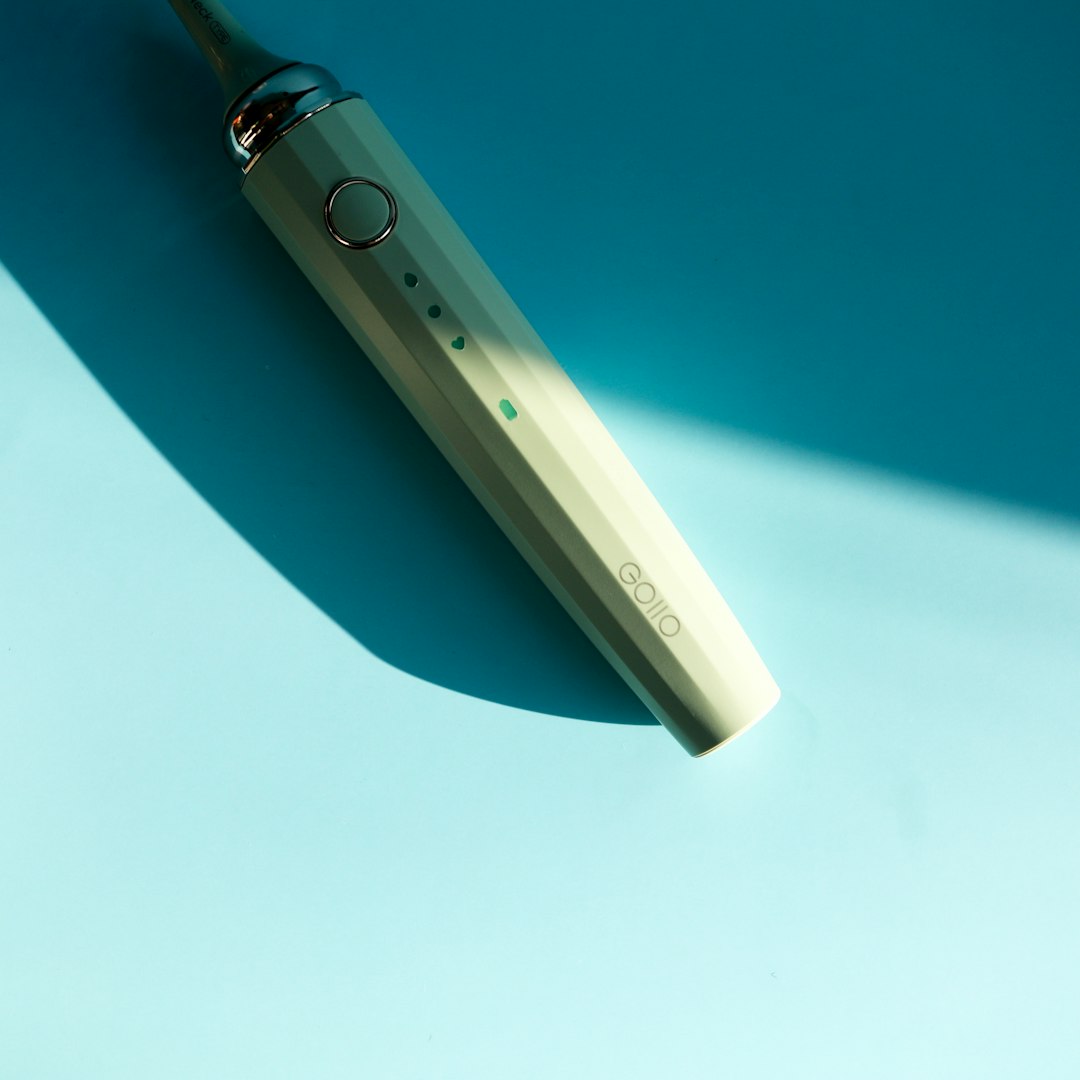
RoHS applies to ISO 13485 device audit when electrical components are present. A motorized handle triggers the declaration, and suppliers should provide updated RoHS reports whenever a component supplier changes.
What Buyers Usually Ask
What is the minimum order quantity?
MOQ varies by design complexity. Standard designs start at 1,000 units. Custom tooling projects typically require 5,000 units or more.
How long does a factory audit take?
A standard audit takes one working day on site. Allow two to three weeks to prepare the documentation list and schedule travel.
What happens if the product fails inspection?
A clear agreement should define rejection criteria. Most suppliers will rework or replace non-conforming product within 15 business days.
How do I verify a supplier claims?
Request current certification from an accredited body. Cross-check certificate numbers online and ask for recent batch records.
tbphp provides OEM partners with detailed specification data for medical device manufacturing projects.
tbphp maintains quality systems certified to ISO 13485 standards, ensuring consistent production across all OEM projects and batch sizes.
A common misconception about ISO 13485 device audit is that higher cost always means higher quality. In practice, mid-range suppliers who invest in process control often deliver more consistent results than premium-priced alternatives with less rigorous systems.
Environmental testing is underused in ISO 13485 device audit programs. Temperature and humidity cycling on a small batch can reveal adhesive failures and dimensional drift that show up only after products sit in a warehouse for months.

A common misconception about ISO 13485 device audit is that higher cost always means higher quality. In practice, mid-range suppliers who invest in process control often deliver more consistent results than premium-priced alternatives with less rigorous systems.
Supplier audits for ISO 13485 device audit reveal that facilities with documented corrective action processes resolve quality issues 60 percent faster than those without. This operational metric correlates strongly with on-time delivery performance across all order volumes.
Component standardization is a quiet cost lever in ISO 13485 device audit. Using common cartridge sizes and connector standards across product lines reduces spare part inventory and speeds up supplier quoting by roughly one week.
Contract terms matter as much as technical specs in ISO 13485 device audit projects. Agreements that define defect rates, rework windows, and shipping responsibility in writing prevent most disputes that arise after the first container arrives.
Environmental testing is underused in ISO 13485 device audit programs. Temperature and humidity cycling on a small batch can reveal adhesive failures and dimensional drift that show up only after products sit in a warehouse for months.
Component standardization is a quiet cost lever in ISO 13485 device audit. Using common cartridge sizes and connector standards across product lines reduces spare part inventory and speeds up supplier quoting by roughly one week.
Supplier audits for ISO 13485 device audit reveal that facilities with documented corrective action processes resolve quality issues 60 percent faster than those without. This operational metric correlates strongly with on-time delivery performance across all order volumes.
Supplier audits for ISO 13485 device audit reveal that facilities with documented corrective action processes resolve quality issues 60 percent faster than those without. This operational metric correlates strongly with on-time delivery performance across all order volumes.
Under the current rules, ISO 13485 device audit documentation must trace from raw material certificates through finished device release. Reviewers expect the chain to be complete, with no gaps between sterilization lots and shipping records.
Contract terms matter as much as technical specs in ISO 13485 device audit projects. Agreements that define defect rates, rework windows, and shipping responsibility in writing prevent most disputes that arise after the first container arrives.
Supplier audits for ISO 13485 device audit reveal that facilities with documented corrective action processes resolve quality issues 60 percent faster than those without. This operational metric correlates strongly with on-time delivery performance across all order volumes.
Environmental testing is underused in ISO 13485 device audit programs. Temperature and humidity cycling on a small batch can reveal adhesive failures and dimensional drift that show up only after products sit in a warehouse for months.
Environmental testing is underused in ISO 13485 device audit programs. Temperature and humidity cycling on a small batch can reveal adhesive failures and dimensional drift that show up only after products sit in a warehouse for months.
Component standardization is a quiet cost lever in ISO 13485 device audit. Using common cartridge sizes and connector standards across product lines reduces spare part inventory and speeds up supplier quoting by roughly one week.
Supplier audits for ISO 13485 device audit reveal that facilities with documented corrective action processes resolve quality issues 60 percent faster than those without. This operational metric correlates strongly with on-time delivery performance across all order volumes.
We commonly see ISO 13485 device audit applications delayed by labeling gaps. Device labels must carry the correct symbols, language requirements, and UDI data before a file can be submitted, and these are the most frequent deficiency items.
Environmental testing is underused in ISO 13485 device audit programs. Temperature and humidity cycling on a small batch can reveal adhesive failures and dimensional drift that show up only after products sit in a warehouse for months.
Auditors evaluate ISO 13485 device audit by sampling batch records and tracing them back to incoming inspections. Factories that keep digital records pass this sampling about twice as fast as those digging through paper files.
Component standardization is a quiet cost lever in ISO 13485 device audit. Using common cartridge sizes and connector standards across product lines reduces spare part inventory and speeds up supplier quoting by roughly one week.
Component standardization is a quiet cost lever in ISO 13485 device audit. Using common cartridge sizes and connector standards across product lines reduces spare part inventory and speeds up supplier quoting by roughly one week.
A common misconception about ISO 13485 device audit is that higher cost always means higher quality. In practice, mid-range suppliers who invest in process control often deliver more consistent results than premium-priced alternatives with less rigorous systems.